


The global spirometer market was valued at 1.35 billion US dollars in 2025 and is projected to reach 3.72 billion by 2035, a compound annual growth rate of 10.7 per cent across the 2026 to 2035 period, according to analysis published in July 2026.
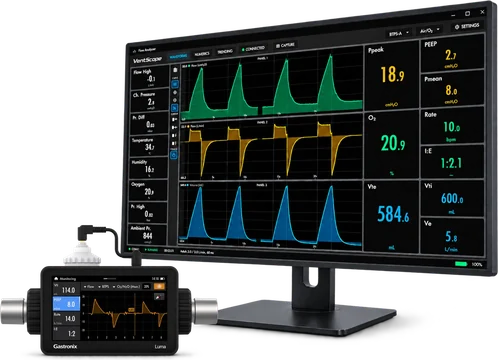
The growth is being driven less by more of the same hardware than by a change in where and how testing happens. Digital interfaces, wireless connectivity and integration with health data platforms have made modern spirometers more portable and easier to operate. Layered on top are AI-assisted interpretation, cloud-based data management and remote respiratory monitoring.
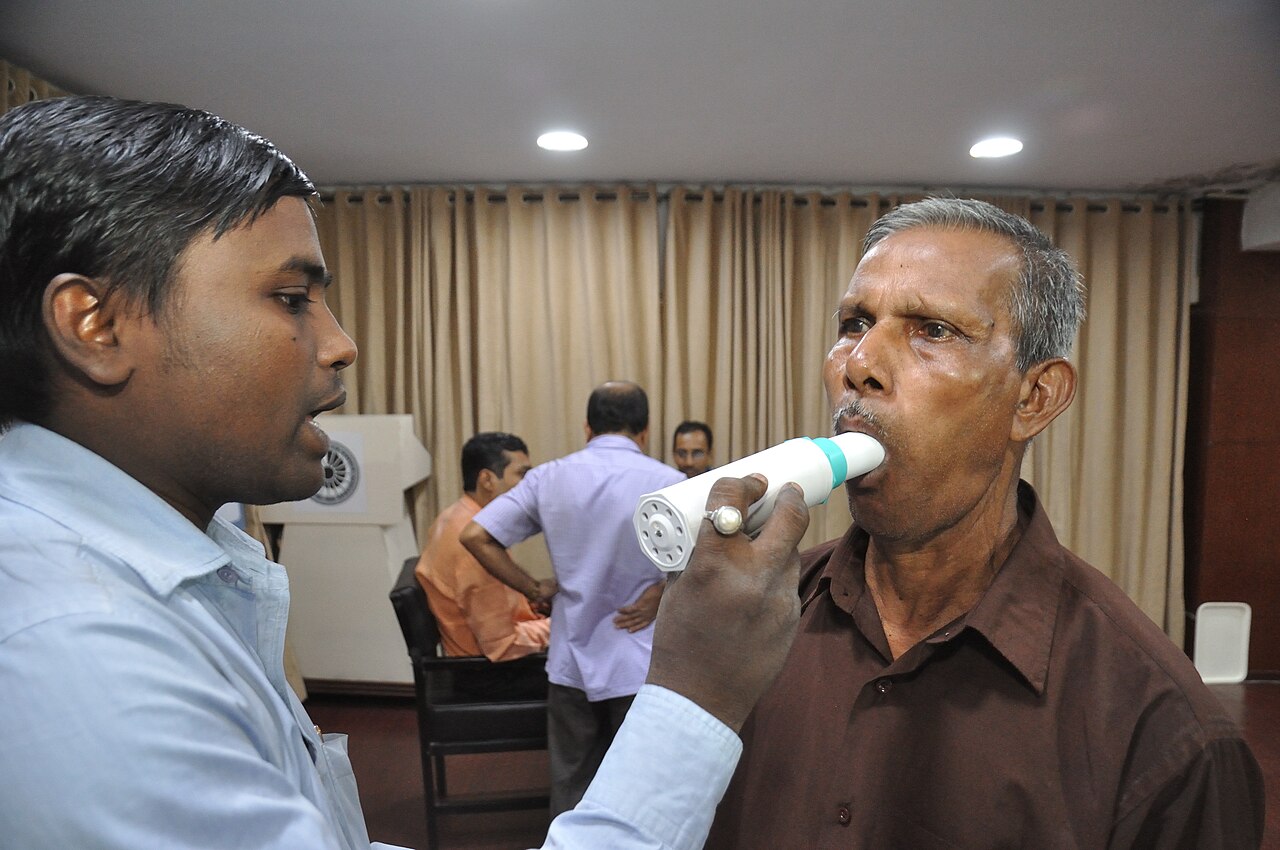
Two trends stand out for anyone responsible for measurement quality. The first is the arrival of calibration-free spirometers with built-in AI quality checks. The second is the expansion of telespirometry, notably through US Veterans Affairs clinics managing COPD, which moves the test out of a controlled clinical environment entirely.
What “calibration-free” actually means
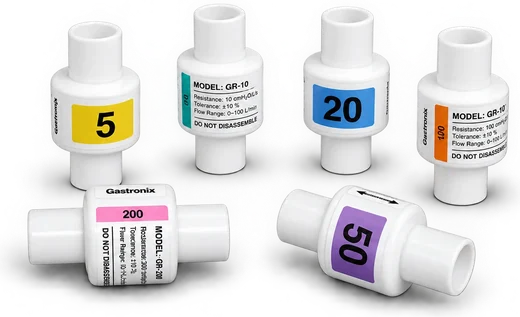
Calibration-free does not mean verification-free. A device that self-checks still has to be trusted, and trust is normally established by comparing it against a reference standard traceable to national metrology. A built-in quality check validates the device against its own model of itself; it cannot detect a drift that has moved the model too.
As testing decentralises across thousands of low-cost units in homes and clinics, the question of who verifies the verifier becomes harder rather than easier.
Original source
SNS Insider, via GlobeNewswire
July 16, 2026 · globenewswire.com
This summary was written by Gastronix from publicly reported information. It is not a reproduction of the original article, which remains the property of its publisher. Always check the source before acting on regulatory or safety information.
All news