


The US Food and Drug Administration has assigned its most serious classification, Class I, to a correction covering ResMed’s Astral 100 and Astral 150 ventilators. The recall record, numbered Z-2735-2026, was initiated by the manufacturer on 25 June 2026 and posted by the agency on 28 July 2026.
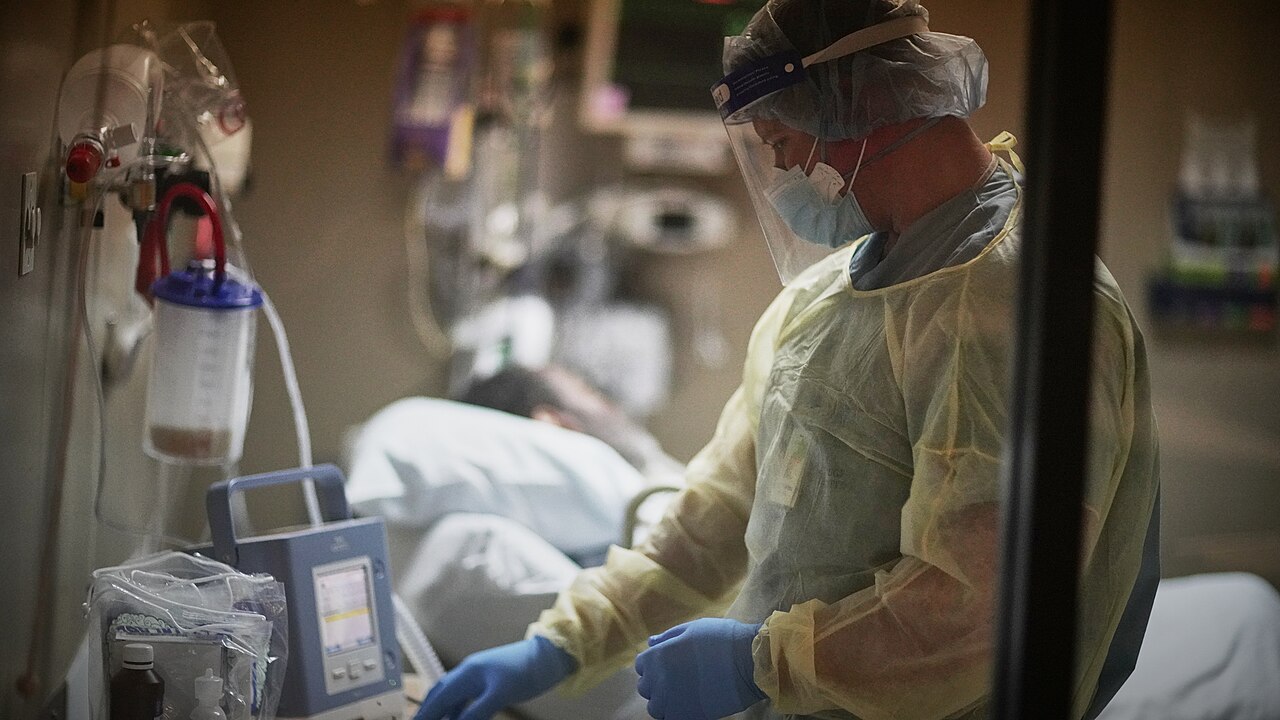
The problem is a supercapacitor inside the device. Over time it can leak electrolyte onto the printed circuit board assembly, damaging the circuitry and pushing the ventilator into a fail-safe state. If that happens during therapy, ventilation stops. If it happens while the device is in standby, the alarm sounds but therapy will not start when it is initiated. In both scenarios the device can no longer deliver a breath.
The record covers 168,069 devices globally, with US distribution across 49 states, the District of Columbia and Puerto Rico. Affected units are Astral 100 and Astral 150 ventilators built before October 2024, together with certain PCBA spare parts. ResMed reported five serious injuries and no deaths associated with the issue as of 23 June 2026.
A correction, not a removal
The distinction matters for service teams. The FDA has advised patients not to stop using an affected ventilator unless their clinician instructs them to, which means the devices stay in the field. Until the correction has been applied, the burden sits on inspection, monitoring and documentation rather than on replacement.
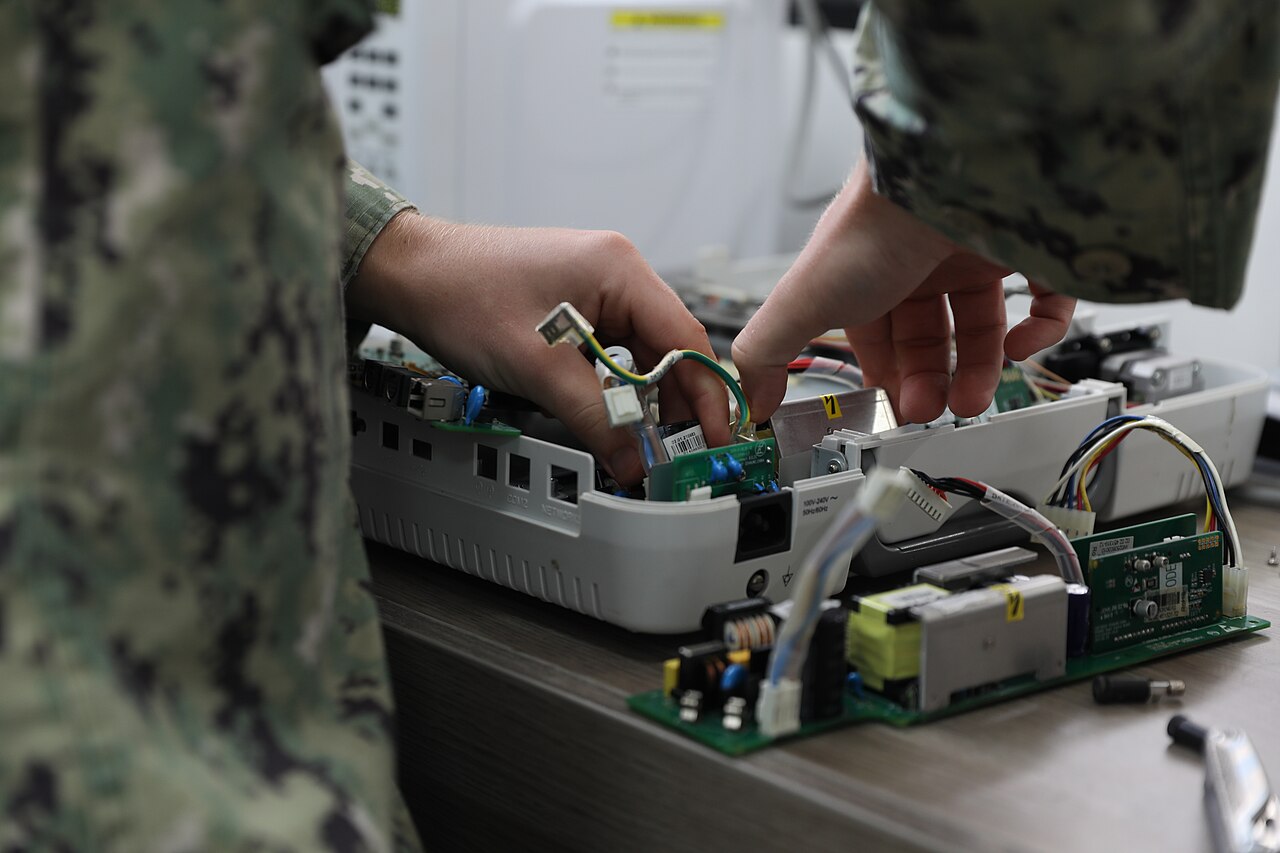
It is also worth noting what kind of failure this is. An electrolyte leak develops slowly and gives no external warning; the first observable symptom is the device entering its fail-safe state. That puts the weight on functional verification rather than visual inspection.
Original source
U.S. Food and Drug Administration
July 28, 2026 · fda.gov
This summary was written by Gastronix from publicly reported information. It is not a reproduction of the original article, which remains the property of its publisher. Always check the source before acting on regulatory or safety information.
All news