


The medical equipment calibration services market stood at 2.02 billion US dollars in 2026, up from 1.82 billion in 2025, and is projected to reach 2.97 billion by 2030 at a compound annual growth rate of 10.2 per cent, according to a report published in July 2026.
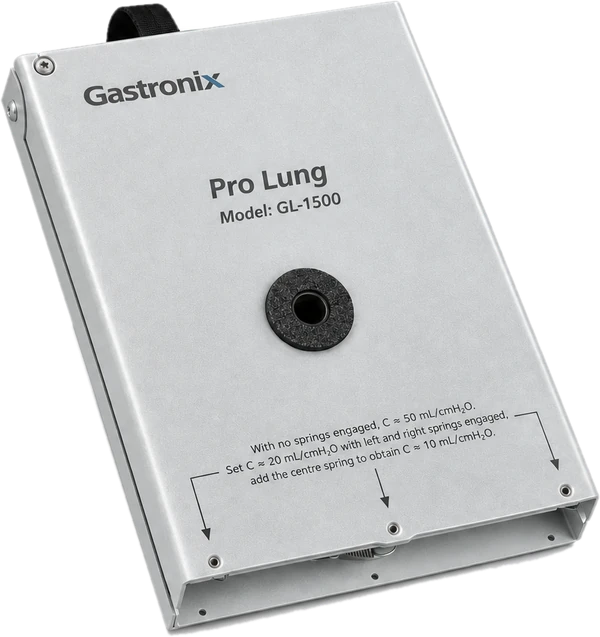
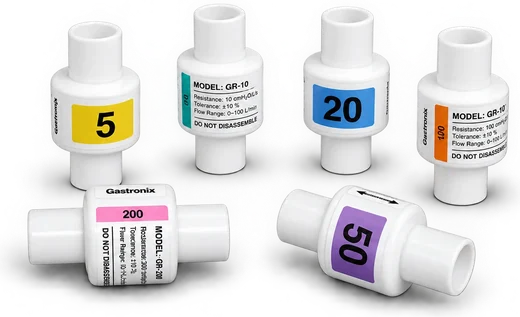
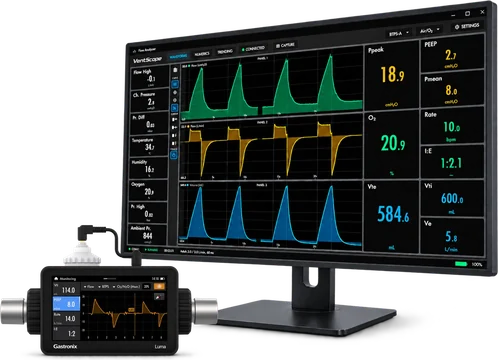
The segment covers calibration of electrical safety analysers, patient simulators, gas flow analysers, SpO2 and NIBP simulators, EKG electrode impedance testers and centrifuges. North America was the largest region in 2025; Asia-Pacific is the fastest growing. Companies named in the report include Transcat, Tektronix and Fluke Biomedical.
The stated driver is healthcare infrastructure investment. The United States alone had 6,120 hospitals in 2024, each operating an equipment fleet that requires periodic verification. The trend the report singles out is multi-channel calibration: systems that verify several channels or devices simultaneously rather than sequentially.
The accreditation floor
Underneath the growth figures sits a quality expectation that has not moved. Calibration is expected to be performed to ISO/IEC 17025 with traceability to national standards, and that remains the baseline whatever the throughput.
What has changed is flexibility around intervals. Laboratories can now justify calibration intervals from performance history and risk assessment rather than a fixed schedule. That is a more outcome-oriented approach, but it is only available to labs that can evidence the reasoning, which means the performance history has to exist before the interval can be extended.
Original source
The Business Research Company
July 1, 2026 · thebusinessresearchcompany.com
This summary was written by Gastronix from publicly reported information. It is not a reproduction of the original article, which remains the property of its publisher. Always check the source before acting on regulatory or safety information.
All news